Workflow discovery and tool integration
Map one repeated task, identify the handoffs and connect the tools where a workflow would be useful.
 Discuss your project
Reduce repeated admin by connecting tools and introducing AI where it has a clear job. We start with one workflow, define its inputs and limits, and keep consequential decisions with a person.
Discuss your projectStart with the situation you want to change.
We agree on priorities and deliverables before the work begins.
Map one repeated task, identify the handoffs and connect the tools where a workflow would be useful.
Use AI where it can help organize information or prepare a draft, with a clear role and defined limits.
Decide who can access information, where approval is needed and what happens when a step cannot be completed.
Clear stages, review points and a defined handover.
Look for repeated work with a clear input, a clear outcome and someone responsible for reviewing it.
Connect the agreed steps and test representative examples, including missing information and failed handoffs.
Review the outputs, document the approval and fallback steps, and hand over a workflow your team understands.
Bring a real example of the task, the tools involved and the person who owns the outcome. You approve access and review points. Your team tests representative cases before the workflow becomes part of everyday work.
Not every task needs AI. A simple rule or a better manual process may be enough. We agree what happens when an input is missing, a tool is unavailable or an output needs correction, and document how to stop or resume the workflow.
Automation follows defined steps and rules. AI can help interpret information or prepare material where the task needs flexibility. A workflow may use either or both, with checks appropriate to the consequences of a mistake.
We first check the tools you already use, their integration options and access requirements. The scope identifies any limitations or additional services before implementation.
Choose a repeated task with a clear trigger, a reviewable output and an accountable owner. Organizing an inquiry or preparing a draft is a useful starting example; transferring an entire customer relationship is a much broader decision.
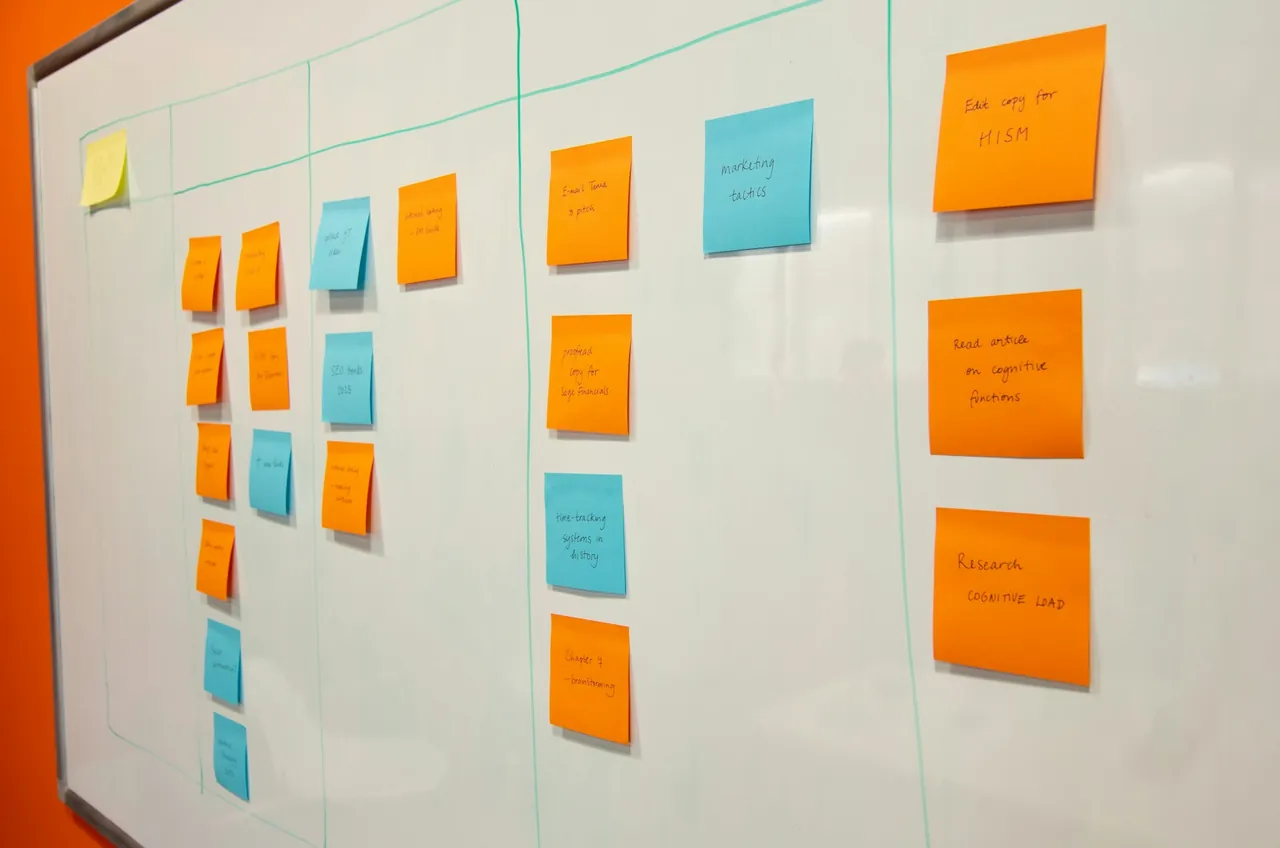
Before you begin
Start with one repeated task you can describe from beginning to end. A small, clear workflow gives you something practical to build and evaluate.
Published October 23, 2026Begin with one repeated task, such as organizing inquiries or preparing a draft. We first check whether automation is useful and where your judgment is needed.
Discuss your project